




Old dental restorations may need attention over time as materials experience normal wear and changes occur in the surrounding teeth. Replacing worn or damaged restorations can help support proper function, protect oral structures, and maintain long-term dental health.
Dental restorations such as fillings, crowns, and other treatments are designed to restore teeth after damage or decay. However, these restorations are not always permanent. Regular dental visits allow providers to monitor their condition and determine when updates may be needed.
Why Do Dental Restorations Need To Be Replaced Over Time?
Dental restorations are exposed to daily forces from chewing, biting, and temperature changes. Over time, these factors may affect the condition of the restoration or the tooth underneath it.
Reasons a restoration may need replacement include:
- Normal wear from everyday use
- Changes in the surrounding tooth structure
- Damage or cracks in the restoration
- Changes in how the bite feels
- Concerns with appearance or comfort
A dental provider can evaluate whether a restoration is still functioning properly or if another approach may better support the tooth.
How Can Old Restorations Affect Oral Health?
A restoration that no longer fits properly may create challenges for maintaining oral health. Gaps, wear, or changes in the restoration can make it more difficult to keep the area clean and comfortable.
Potential concerns may include:
- Food getting trapped around the restoration
- Increased sensitivity in the area
- Difficulty cleaning around the tooth
- Changes in chewing comfort
Regular evaluations at a Dental Clinic allow dentists to monitor restorations and identify concerns before they become more significant.
What Signs May Indicate A Dental Restoration Needs Attention?
Some changes may suggest that an existing restoration should be examined. Patients should discuss concerns with their dental provider if they notice:
- A loose or damaged restoration
- Changes in how teeth come together
- New discomfort while chewing
- Rough or uneven areas
- Visible changes around the restoration
Not every change means a restoration needs immediate replacement. A dental professional can determine whether monitoring, repair, or replacement is appropriate.
How Do Dentists Evaluate Existing Dental Restorations?
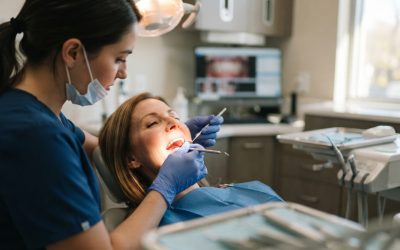
During a dental visit, providers review the condition of restorations along with the surrounding teeth and gums. This evaluation helps determine whether the restoration continues to support proper function.
A dental evaluation may include:
- Checking the restoration’s fit
- Examining nearby tooth structure
- Reviewing bite alignment
- Looking for visible signs of wear
- Discussing patient concerns
This process allows dentists to create a treatment approach based on the condition of the tooth and the patient’s overall oral health needs.
How Can Replacing Restorations Improve Daily Comfort?
A properly functioning restoration can support normal chewing and help patients feel more comfortable during daily activities. When a restoration becomes worn or damaged, replacing it may help restore a more stable feeling when eating or speaking.
A dental service that includes restoration evaluation and replacement can address both functional and cosmetic concerns. Some patients may also consider cosmetic improvements when replacing older dental work, especially when the restoration is visible when smiling.
Patients looking for information about treatment options can explore this resource about Cosmetic & Family Dentistry and how different dental services may support long-term smile care.
What Role Does Cosmetic Dentistry Play In Replacing Dental Restorations?
Some older restorations may affect the appearance of a smile due to changes in color, shape, or material over time. When replacement is needed, patients may discuss options that improve both function and appearance.
Cosmetic dental services may involve treatments that address concerns such as:
- Matching restoration appearance with natural teeth
- Improving smile consistency
- Updating older visible dental work
A dentist considers the health of the tooth first while also reviewing the overall appearance of the smile.
Why Are Regular Dental Visits Important For Restoration Care?
Routine dental visits help monitor changes that may not always be noticeable at home. Dentists can track the condition of existing restorations and recommend care based on what they observe.
Consistent appointments can help patients:
- Understand the condition of their dental work
- Address concerns earlier
- Maintain healthy oral habits
- Protect remaining tooth structure
Regular monitoring is especially helpful for patients who have multiple restorations or older dental treatments.
What Should Patients Know About Replacing Dental Restorations?
Replacing an old restoration is a personalized process. The recommended approach depends on factors such as the location of the tooth, the condition of the restoration, and the patient’s overall dental needs.
A dental provider can explain available options and help patients understand how each choice may support their oral health.
Maintain Healthy Teeth With Proper Restoration Care
Dental restorations play an important role in protecting and restoring damaged teeth. Over time, replacing older restorations when needed can help support comfort, function, and long-term oral health.
Scheduling regular dental appointments allows patients to stay informed about their restorations and receive guidance on maintaining a healthy smile.