




• Professional dental cleanings remove plaque and tartar that daily brushing cannot reach, protecting teeth and gums from disease.
• Scheduling cleanings twice a year is the standard baseline recommendation, though individual risk factors may call for more frequent visits.
• Residents in Orange, CT have access to full-service preventive and general dental care close to home.
Preventive dental cleaning is one of the most effective steps you can take to protect your long-term oral health. Skipping routine cleanings allows plaque to harden into tartar, which creates conditions for cavities, gum disease, and more costly restorative work down the road.
If you have been searching for Dental Cleaning Services In Orange CT, understanding what a professional cleaning involves and how often you need one can help you make a more informed decision about your care.
What Happens During a Professional Dental Cleaning
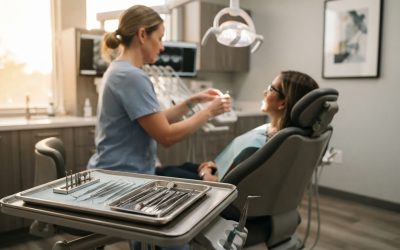
A professional cleaning is not simply a polish. It is a preventive dental procedure that involves removing plaque and tartar from teeth, assessing gum health, and detecting early signs of dental problems. The hygienist uses specialized instruments to reach areas between teeth and along the gumline that a toothbrush cannot access effectively.
A typical cleaning appointment includes:
• Scaling to remove hardened tartar deposits
• Polishing to clear surface stains
• Flossing between contact points
• A gum health assessment
• Digital X-rays when indicated, to detect issues not visible to the naked eye
Dental cleanings remove plaque and tartar that regular brushing and flossing miss. Plaque forms when bacteria in the mouth mix with sugary or starchy foods. If not removed, plaque hardens into tartar, which only a dentist or dental hygienist can remove.
How Often Should You Schedule a Cleaning
The American Dental Association (ADA) and dental professionals typically recommend professional dental cleanings every six months for most adults. However, this standard recommendation serves as a baseline rather than a one-size-fits-all solution.
According to the American Dental Association’s oral health guidance, there is merit in tailoring a patient’s recall interval to individual need based on assessed risk of disease, rather than applying a fixed schedule to everyone.
The ADA recommends that patients receive professional dental cleanings and examinations at regular intervals, with the frequency determined by the individual patient’s oral health needs. For most adults and children with healthy mouths, this means twice a year. Patients with a higher risk of dental problems, including those with gum disease, dry mouth, diabetes, or a history of frequent cavities, may need visits every three to four months.
Cleaning Frequency by Risk Level
| Patient Profile | Recommended Frequency |
| Healthy mouth, low cavity risk | Every 6 months |
| Moderate risk (mild gum sensitivity, occasional buildup) | Every 4-6 months |
| High risk (gum disease, diabetes, dry mouth) | Every 3-4 months |
| Children with developing dentition | As directed by dentist |
Your dentist is the best person to assess which category applies to you and adjust your schedule accordingly.
Why Preventive Cleanings Matter Beyond Your Teeth
Oral health does not exist in isolation from the rest of your body. According to the American Dental Association, regular dental cleanings can prevent cavities, gum disease, and even serious health conditions like heart disease and diabetes. Routine cleanings give your dental team a regular opportunity to spot early warning signs of issues that, if caught late, require significantly more involved treatment.
Key benefits of staying current with preventive cleanings include:
• Removal of tartar that cannot be addressed at home
• Early detection of cavities before they require fillings or crowns
• Monitoring of gum tissue for signs of gingivitis or periodontitis
• Identification of changes in soft tissue that may warrant further evaluation
• A cleaner baseline that makes home care more effective between visits
Regular visits allow dentists to identify potential issues early. Early detection could prevent more serious problems later.
Preventive vs. Restorative Care: Understanding the Difference
Many patients only visit a dentist when something hurts. By that point, a problem that could have been addressed with a simple cleaning may require a filling, crown, or root canal. The table below illustrates how preventive care compares to restorative treatment in practical terms.
| Factor | Preventive Cleaning | Restorative Treatment |
| Purpose | Prevent disease before it starts | Repair damage that has already occurred |
| Typical frequency | 2-4 times per year | As needed |
| Procedure complexity | Low | Moderate to high |
| Recovery time | None | Varies |
| Long-term cost | Lower | Higher |
| Patient comfort | Minimal discomfort | May require anesthesia |
Investing in regular cleanings is a straightforward way to reduce the likelihood of needing more complex procedures.
Dental Cleaning Services Available in Orange, CT
John D. Mainwaring, DDS is a trusted dental practice in Orange, CT, serving individuals and families throughout New Haven County from its office at 240 Indian River Rd., Suite A-7, Orange, CT. Services include cleaning, digital X-rays, family dentistry, emergency dentistry and filling, root canals, crowns, implants, fixed bridges, partial dentures, and full dentures.
The practice offers a full range of general and cosmetic care, making it straightforward to manage your entire family’s oral health in one place. From routine checkups to more advanced procedures, the goal is always the same: healthy teeth and a smile you feel good about.
Scheduling runs Monday through Thursday from 8:30 a.m. to 5:00 p.m., with shorter Friday and Saturday hours, making it easier to fit appointments into a busy week. The practice accepts most insurance carriers, Care Credit financing, and major credit cards, giving patients flexibility in how they manage the cost of care.
Frequently Asked Questions
Does a dental cleaning hurt? For most patients with healthy gums, a routine cleaning causes little to no discomfort. Sensitivity is more common when tartar buildup is significant or gum tissue is inflamed, but the hygienist can adjust technique to keep the experience manageable.
Can I skip a cleaning if my teeth feel fine? Feeling no pain does not mean there are no problems developing. Cavities and early gum disease often have no noticeable symptoms until they have progressed. Routine cleanings catch these issues before they become painful or expensive.
What if I have dental anxiety? Many dental offices, including those in Orange, CT, are experienced in working with anxious patients. Communicating your concerns before the appointment allows the team to take extra steps to keep you comfortable.
Is a cleaning the same as a checkup? A cleaning and an exam are often scheduled together but are distinct procedures. The cleaning removes deposits and polishes teeth, while the exam involves the dentist evaluating your overall oral health, reviewing X-rays, and recommending any follow-up treatment.
Schedule Your Preventive Cleaning in Orange, CT
Staying consistent with professional cleanings is one of the simplest and most cost-effective habits for long-term oral health. If it has been more than six months since your last visit, now is a practical time to get back on schedule. John D. Mainwaring DDS welcomes new and returning patients at its Orange, CT location. Call (203) 799-6625 to book your appointment.